Boho Floral Geometric Patterns: A Creative Fusion of Nature and Structure
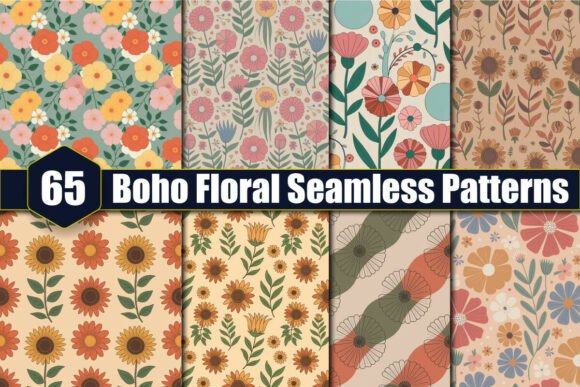
Boho Floral Geometric Patterns represent a unique aesthetic that blends the organic beauty of floral designs with the clean, structured lines of geometric shapes. This style is rooted in the bohemian (boho) design movement, which emphasizes free-spirited, eclectic, and handcrafted elements. However, what sets Boho Floral Geometric Patterns apart is their intentional combination of two seemingly contrasting visual languages—flowing botanical motifs and precise geometric forms—resulting in an eye-catching yet harmonious look.
What Defines Boho Floral Geometric Style?
At its core, this pattern style merges natural elements like leaves, flowers, and vines with angular, repeating shapes such as triangles, hexagons, and chevrons. The result is a design that feels both grounded and dynamic, perfect for those who appreciate a balance between the wild and the refined. These patterns are often characterized by:
- Layered textures: The use of overlays and gradients gives them depth and dimension.
- Earthy tones with pops of color: Muted greens, warm oranges, and soft pinks are common, often contrasted with bold accents.
- Asymmetrical layouts: Unlike traditional geometric designs, these often break from symmetry to create a more relaxed, artistic feel.
- Hand-drawn or distressed elements: To enhance the boho vibe, many incorporate subtle imperfections or vintage effects.
This fusion appeals to a wide range of creative professionals—from graphic designers to DIY enthusiasts—who seek to add personality and visual interest to their work without overwhelming the viewer.
Comparing Boho Floral Geometric Patterns to Other Design Styles
When exploring pattern options, it's helpful to understand how Boho Floral Geometric fits into the broader design landscape. Let’s compare it with some related styles:
1. Traditional Floral Patterns
Traditional floral designs are typically symmetrical and feature full, realistic flowers arranged in predictable ways. While they offer elegance and familiarity, they can sometimes lack the modern edge that Boho Floral Geometric provides. If you're looking to blend classic botanical elements with contemporary flair, the latter may be the better fit. It allows for more experimentation and layering, making it ideal for digital art and mixed-media projects.
2. Minimalist Geometric Patterns
Minimalist geometric patterns focus on simplicity, using basic shapes and limited color palettes. They’re excellent for clean, modern aesthetics but may not provide the warmth or texture of a Boho design. For those who want to maintain a minimalist theme while adding subtle life and character, Boho Floral Geometric offers a middle ground by incorporating delicate florals and abstract elements within a structured framework.
3. Vintage Paper Craft Patterns
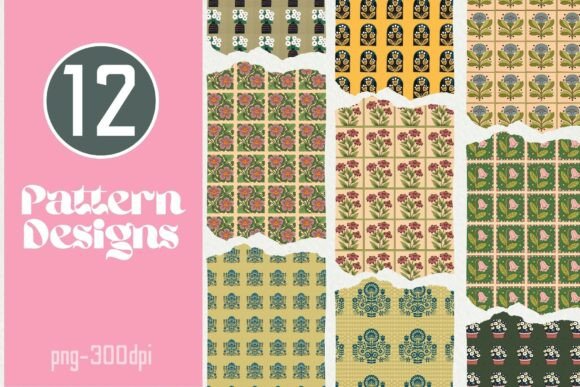
Vintage paper craft designs emphasize aged textures, handwritten fonts, and historical references. While they evoke nostalgia beautifully, they can sometimes feel outdated or too heavy for modern applications. The Retro Torn Paper Pattern Pack, which features Boho Floral Geometric designs, enhances this nostalgic appeal with high-resolution PNGs and stylish torn edges. It bridges the gap between vintage charm and current usability, making it suitable for scrapbooking, collage art, and printable crafts where texture matters.
4. Abstract Art Patterns
Abstract patterns prioritize emotion and form over recognizable imagery. They often consist of non-repeating, fluid shapes and colors. In contrast, Boho Floral Geometric Patterns follow a more defined structure while still allowing for artistic expression. If your project needs a touch of abstraction without losing clarity or coherence, this style strikes a great balance.
Strengths of Using Boho Floral Geometric Patterns
The versatility of Boho Floral Geometric Patterns lies in their ability to adapt to various contexts and purposes. Here are some key advantages:
- Creative flexibility: These patterns work well in both print and digital formats. Their layered nature allows for easy customization, making them suitable for backgrounds, borders, or overlays.
- Unique visual identity: Combining florals with geometry ensures that your design stands out without being overly busy or chaotic.
- Appeal across demographics: The style resonates with younger audiences seeking modern boho vibes and older generations appreciating retro aesthetics.
- High-quality resolution: With 12 high-resolution PNG designs at 300dpi, details remain crisp and clear, even when printed.
- Emotional resonance: The mix of natural and structural elements evokes feelings of freedom, creativity, and craftsmanship, aligning well with lifestyle and wellness brands.
Best-Fit Situations and Limitations
While Boho Floral Geometric Patterns have broad appeal, they are especially well-suited for certain types of projects. Consider using them if you need:
- A versatile pattern for scrapbooking or digital journaling
- Texture-rich visuals for collage art or printable crafts
- An overlay that adds depth without overshadowing the main content
- Designs that reflect a laid-back yet sophisticated brand image
However, there are limitations to consider. These patterns might not be the best choice for:
- Projects requiring strict minimalism or monochrome schemes
- Highly technical or data-driven visuals where clarity is paramount
- Branding that leans heavily into industrial or ultra-modern themes
- Applications needing consistent repetition without variation
For instance, a fashion blog might find these patterns ideal for background textures, whereas a financial report would benefit more from clean, sans-serif grids or simple line art.
Practical Applications and Real-World Examples
Let’s explore some practical uses for these patterns to help you visualize their potential:
1. Scrapbooking and Digital Journaling
Scrapbookers love the tactile and visual richness that torn paper edges and layered patterns bring. The Retro Torn Paper Pattern Pack, for example, could serve as a base for memory albums or planner pages. Imagine using one of the pastel-toned designs as a border around a photo layout, then layering another pattern subtly behind text blocks. This approach adds cohesion and whimsy to personal storytelling projects.
2. Branding and Packaging
Small businesses in the wellness, handmade, or artisanal sectors often benefit from this aesthetic. A candle company, for example, could apply a Boho Floral Geometric Pattern to packaging inserts or label backgrounds. The design communicates eco-friendliness and creativity, aligning perfectly with the brand’s values.
3. Social Media Graphics
On platforms like Instagram or Pinterest, where visual appeal is crucial, these patterns can elevate posts about interior design, travel, or lifestyle. Use them as overlays for flat lays or as watermarks for cohesive branding across multiple images.
4. Stationery and Invitations
Wedding planners and stationery designers frequently turn to this style for invitations, thank-you cards, or greeting cards. The torn paper effect gives a handmade feel, while the floral and geometric elements add sophistication and visual intrigue.
How to Choose the Right Pattern Set
Selecting the right pattern set depends on your specific needs, workflow, and the message you want to convey. When considering the Retro Torn Paper Pattern Pack, ask yourself:
- Do I need a variety of motifs that can be easily combined or layered?
- Is my audience likely to respond positively to a blend of vintage and modern design cues?
- Am I working on a project where texture and depth will enhance the overall composition?
If yes, this pack could be a valuable addition to your toolkit. But if you require something more streamlined or professional in tone, you might prefer other pattern types. Always test a few designs in your intended context before finalizing your choice.
Alternatives to Explore
If Boho Floral Geometric doesn’t fully meet your requirements, here are a few alternatives worth investigating:
- Modern Watercolor Patterns: These offer softness and flow without the geometric structure, ideal for calming or artistic projects.
- Industrial Metal Grids: For tech-focused or masculine-themed designs, these provide a stark contrast to the organic feel of boho patterns.
- Japanese Washi Tape-Inspired Designs: These are playful and colorful, often used in bullet journals and educational materials.
- Vector-Based Geometric Sets: Perfect for scalable designs in logos, infographics, or UI elements.
Each alternative brings different strengths. The key is to match the style with the purpose of your project and the preferences of your target audience.
Decision Factors to Consider
Before committing to a pattern style, evaluate the following factors:
- Project type: Is it a personal craft, a client deliverable, or part of a larger brand identity system?
- Color scheme compatibility: Do the pastel tones in the pattern complement your existing palette?
- Resolution and file format: Since the pack includes 300dpi PNGs, it's well-suited for both digital and print media.
- Time constraints: Ready-to-use patterns save time compared to creating custom designs from scratch.
- Client or user expectations: Does the style align with their vision or cultural associations?
By weighing these aspects, you can determine whether Boho Floral Geometric Patterns will enrich your creative output or if another option would be more appropriate.
Final Thoughts on Creative Fit
Boho Floral Geometric Patterns are more than just decorative—they’re expressive tools that can communicate a mood, era, or philosophy through design. Whether you're aiming for a cozy, artisanal vibe or a modern twist on retro aesthetics, this style offers a compelling way to achieve that balance.
With the Retro Torn Paper Pattern Pack, you gain access to a curated collection of 12 PNG files designed to inspire and streamline your workflow. These assets are particularly beneficial for creators who value uniqueness and texture in their visuals but also need high-quality, ready-to-use resources.
Ultimately, the decision to use Boho Floral Geometric Patterns should depend on the emotional and functional goals of your project. When used thoughtfully, they can transform a simple design into a visually engaging masterpiece.