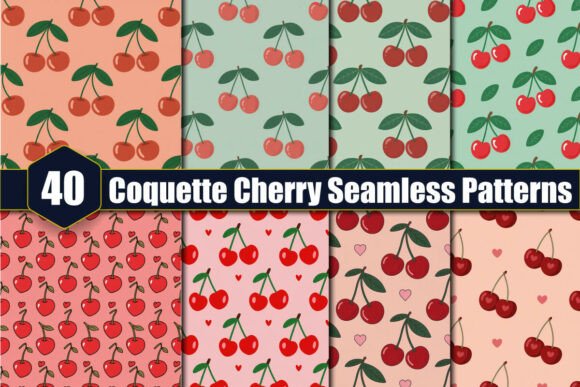
Coquette Mushrooms Seamless Patterns: A Playful Addition to Creative Workflows
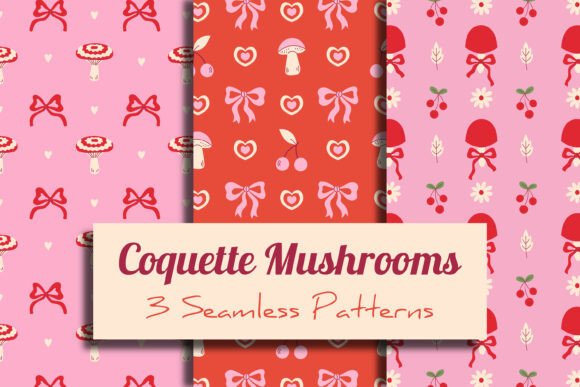
Coquette Mushrooms Seamless Patterns offer a unique and charming aesthetic that blends the whimsy of woodland illustrations with a romantic, vintage-inspired flair. Featuring delicate hand-drawn mushrooms, flirty bows, dreamy hearts, and autumn leaves, these patterns are ideal for designers, entrepreneurs, educators, and hobbyists looking to infuse their projects with a soft, feminine touch. Whether you're working on stationery, fabric prints, digital branding, or holiday cards, integrating these designs into your workflow can enhance visual appeal while maintaining professionalism.
Understanding the Design Style and Use Cases
The Coquette Mushrooms Seamless Patterns are crafted in a soft pink color palette that evokes warmth, nostalgia, and a sense of playfulness. The seamless nature of the design allows it to repeat effortlessly across any surface without visible seams or disruptions — making it highly versatile for print and digital applications alike. This style is particularly well-suited for:
- Scrapbooking and journaling: Add personality to layouts with recurring motifs of mushrooms and bows.
- Wrapping paper and gift packaging: Create eye-catching designs that stand out during seasonal events or special occasions.
- Fabric printing: Ideal for apparel, home décor, or accessories where a subtle yet stylish pattern is desired.
- Digital branding and social media assets: Enhance logos, headers, backgrounds, or templates with a cohesive, trendy look.
These patterns work especially well when you want to communicate a lighthearted, artistic vibe — perfect for niche markets like boutique brands, wedding planners, or lifestyle bloggers aiming to connect with an audience that appreciates vintage aesthetics and natural elements.
How to Integrate These Patterns Into Your Workflow
Seamless patterns can be used at various stages of a project, depending on your creative goals. Here's how they might fit into different workflows:
Pre-Design Preparation
Before diving into a new project, consider whether a decorative element like a coquette mushroom pattern would complement your overall vision. For instance, if you’re designing a greeting card collection around fall themes, using this pattern early in your planning stage ensures consistency in color schemes and motifs. You can also use the pattern as inspiration for other assets, such as typography choices or complementary icon sets.
For digital branding, think about how the pattern could serve as a background or texture in your website’s visuals or email newsletters. It's essential to evaluate compatibility with your brand identity to ensure the playful tone aligns with your messaging and target demographic.
During Project Execution
Once you've decided to use the Coquette Mushrooms Seamless Patterns, you’ll find the included formats (JPG and EPS) make it easy to incorporate them into both raster and vector-based software. The high-resolution 300 dpi files are suitable for print materials, while the RGB format supports vibrant displays on digital platforms.
When working in graphic design tools like Adobe Photoshop or Illustrator, you can tile the pattern seamlessly across a canvas by adjusting the blending mode or layer opacity. For fabric printing, the same pattern can be scaled and repeated using design platforms like Cricut Design Space or Canva, which support custom uploads.
Post-Creation Adjustments and Refinement
After incorporating the pattern into your design, review its impact within the context of the full layout. Does it add depth or distract from the main message? Consider adjusting the size, placement, or transparency to better suit your needs. In some cases, overlaying text or images may require reducing the pattern’s visibility so it doesn’t compete for attention.
Also, keep track of variations. If you plan to reuse the pattern in multiple projects, save layered versions with different color overlays or cropped sections. This approach saves time and ensures consistency across all branded materials.
Compatibility and Usability Across Platforms
One of the strengths of Coquette Mushrooms Seamless Patterns lies in their file formats. JPG files are great for quick edits and digital use, while EPS files provide scalability and clarity for professional print jobs. Understanding which format suits each platform is key to maximizing usability.
Here’s a practical breakdown of common use cases and compatible tools:
- Adobe Creative Suite: Use EPS for logos and scalable graphics; JPG for web banners or social media posts.
- Canva: Upload JPG files directly for instant use in posters, invitations, or blog headers.
- Cricut or Silhouette: Import EPS for precise cutting when creating stickers, labels, or printed goods.
- Email marketing platforms: Optimize JPGs for faster load times and consistent display across devices.
Additionally, because the pattern includes three distinct designs, you can rotate between them to maintain variety without losing cohesion. Each pattern is sized at 3600 x 3600 pixels (12” x 12”), which provides flexibility for both large-format printing and smaller digital assets.
Workflow Examples and Best Practices
Let’s walk through a few real-world scenarios to see how these patterns can be implemented effectively:
- Stationery Design: When creating a set of thank-you cards or note pads, begin by selecting one of the three patterns as a base. Use it as a background for a minimalist card design, allowing the pattern to speak for itself. Add handwritten-style fonts or gold foil accents to enhance the vintage feel.
- Event Branding: For a retro-themed bridal shower or baby announcement, apply the pattern to tablecloths, signage, or digital invites. Pair it with muted tones and serif fonts to create a harmonious aesthetic. Ensure that the pattern doesn’t overwhelm important details like names or dates.
- Merchandise Creation: If you’re an entrepreneur launching a line of eco-friendly tote bags or mugs, use the EPS file for high-quality printing. Test the pattern on mockups before finalizing production to confirm how it looks at scale and in motion.
Incorporate these patterns into your design library for quick access. Organize them by category (e.g., floral, woodland, festive) to streamline your selection process. For teams, store them in shared folders or asset management platforms like Google Drive or Adobe Asset Library to promote collaboration and version control.
Factors to Consider When Using These Patterns
While Coquette Mushrooms Seamless Patterns are visually appealing, several factors should guide their implementation to maintain quality and efficiency:
- Preparation: Plan ahead by determining which parts of your project will benefit most from the pattern. Will it serve as a background, border, or accent?
- Organization: Label and categorize your pattern files clearly. This makes it easier to retrieve them later and avoids duplication.
- Efficiency: Use pre-made pattern swatches in design software to speed up application and reduce manual adjustments.
- Consistency: Apply the same pattern across related assets to build a unified visual language, especially in branding efforts.
- Quality Control: Always preview the pattern in its intended environment. Check for clarity, alignment, and color fidelity before final output.
- Long-Term Use: Store original EPS files in a secure archive to allow for future re-edits or scaling needs.
Combining with Other Assets and Tools
To get the most out of Coquette Mushrooms Seamless Patterns, consider how they interact with other design elements. These include:
- Typography: Match the pattern with elegant, script-like fonts for a cohesive vintage-girlie effect.
- Photography: Overlay the pattern subtly on product photos or promotional banners to add texture without obscuring content.
- Color Palettes: Since the pattern uses soft pinks, pair it with analogous colors like mauve, cream, or deep berry tones to maintain harmony.
- Branding Guidelines: Ensure the pattern complements your brand’s core visuals, including logo placement and primary color usage.
For those who enjoy mixing digital and physical creativity, try combining the pattern with other textures or hand-painted elements. You might even collaborate with fellow designers or illustrators to expand the theme into new formats like SVG for web animations or PNG for transparent backgrounds.
Use in Productivity and Personal Projects
Even beyond commercial design, these patterns can elevate personal productivity. Think of using them in:
- Journals and planners: Print pages with the pattern as a base for bullet points or task lists.
- Home décor: Use as wallpaper, washi tape, or fabric for DIY pillows and curtains.
- Gift wrapping: Customize your own wrapping paper for birthdays, holidays, or handmade gifts.
By integrating these patterns into your daily life or creative routine, you not only add charm but also personalize your space or work in ways that reflect your aesthetic sensibilities.
Maximizing Longevity and Reusability
A smart designer knows the value of reusable assets. With Coquette Mushrooms Seamless Patterns, you have the potential to revisit and repurpose them across multiple projects. To do this effectively:
- Create a naming convention for saved files based on use case (e.g., "CMSP_FallCard_Background" or "CMSP_BlogHeader_Textured").
- Store copies in cloud-based libraries for easy access across devices and team members.
- Keep a record of how each pattern has been used in past projects to avoid repetition and maintain novelty.
This structured approach helps ensure that your creative resources remain valuable over time, rather than becoming cluttered or underutilized.
Conclusion
Coquette Mushrooms Seamless Patterns bring a fresh, flirty energy to any design project. By understanding how they fit into the broader creative process — from initial concept to final execution — you can use them more strategically and effectively. Their versatility, combined with high-quality resolution and format options, makes them a reliable asset for creators in many fields. With thoughtful integration and organization, these patterns can become a staple in your design toolkit, helping you deliver polished, aesthetically pleasing outcomes that resonate with your audience.